

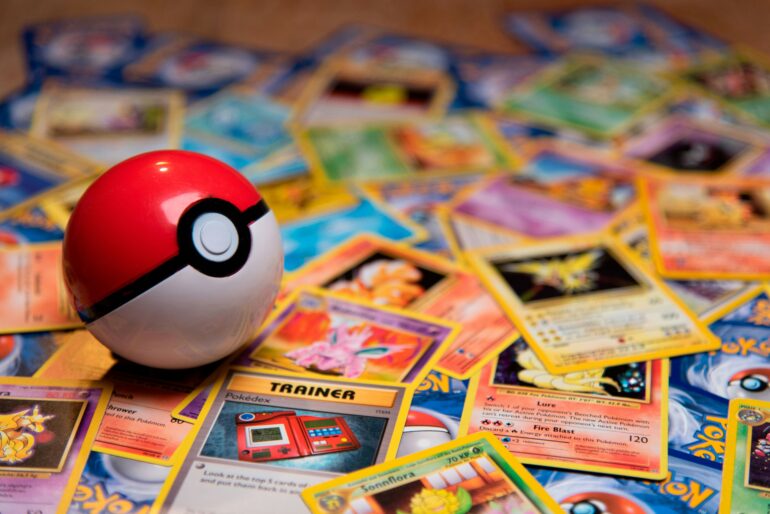
A battered binder can take you straight back to Pokémon: The First Movie. The Mewtwo poster, the VHS or DVD you wore out and the cards traded at school afterwards. One may be a proper find; another may only earn its place because it survived every house move since 2001.
Some Pokémon cards can pull you straight back to the days when Pokémon: The First Movie was on a battered DVD, your school bag had a Pikachu keyring on it and every decent trade happened at break time. Then one card turns up in an old binder, you spot the foil catching the light and start wondering whether childhood you accidentally left something valuable in a cupboard. The answer is usually hiding in details nobody noticed at all back then.
Start With the Exact Version
The name on the front gets your attention, especially when it is Mewtwo, Pikachu or Charizard, but the small print decides what you have. Set name, card number and foil treatment separate cards that look almost identical at first glance. A Base Set card can carry a very different price from a later reprint with the same character.
CardTrack makes that first check less painful. Its Pokemon card prices database lets you search the exact card and compare raw copies with graded ones. Look for the number at the bottom, check the set symbol and make sure you are comparing like with like. A Mewtwo may take you back to the first movie, but collectors pay for the printing actually sitting in your hand. That is where a proper price check really starts earning its keep.
Famous Characters Need the Right Printing
A famous Pokémon can put a card on your radar, but popularity alone does not make it expensive. Pikachu has appeared in games, films and enough merchandise to fill a warehouse, so plenty of Pikachu cards are easy to find. The same goes for Charizard, even though collectors still chase the right versions.
The cards with a stronger case usually have something specific behind them. A first-edition stamp or a limited promo run can cut down the number of clean copies around. Cinema-era promos can be fun finds because they carry franchise history, but the exact release still decides the price. A card tied to Pokémon: The First Movie may be a great keepsake; a card from the right set in strong condition can draw real collector interest. Check the version first, then let the character name do its part.
CardTrack lets you check whether a famous Pokémon has real collector demand behind it, rather than assuming every Charizard or Pikachu card belongs in the expensive pile. Its card pages separate printings, show current raw and graded values, then give you a price history for that exact release. A cinema-era promo may be a great keepsake; the right printing in strong condition can also draw serious collector interest.
Condition Can Ruin a Great Find
The front can still look great after years in a binder, but buyers turn the card over straight away. Whitening around the back edges or scratches through the foil can take a large bite out of the price. Childhood storage habits come back to haunt people; schoolbags and loose stacks were hard on cards.
The difference between raw values and graded values gives you a clearer idea of what wear is costing you. CardTrack puts those figures side by side, so you can judge whether a professionally checked copy sits in a different price bracket. Your card does not need to be perfect to sell, but its grading information can help you decide whether it belongs in a sleeve, a sale pile or a submission package.
Real Sales Give the Better Answer
A $500 price tag on an auction page tells you one thing: somebody would like $500. It says nothing about whether a buyer agrees. Recent completed sales give a far better answer because they show where money actually changed hands, especially when the cards were in close condition.
CardTrack keeps recent values and price history together, so a single wild listing does not become your whole valuation. A card that has sold near $40 several times has a clearer market range than one that popped up at $150 for an afternoon. Check the last 30 days, then look further back before deciding a card is heating up. The history also shows whether buyers have been active or whether the card has been sitting around waiting for one optimistic seller to get lucky. That context can stop one daft mistake too.
Keep the Card or Sell It With Eyes Open
A valuable Pokémon card starts with the exact version, then survives condition checks before the price gets interesting. The old Mewtwo in your binder may be worth a few dollars, or it may deserve a sleeve and a closer look. Once the card number matches the set and recent sales back it up, you have a proper answer.
That is the useful part of the hunt. A card can take you back to the days you sat glued to the TV or queued in line at the movies. Check the evidence, give the card a fair value, then decide whether it belongs in a sale pile or back in the binder.