
Verdict
Summary
The film suffers a bit from a leisurely pace and a conventional aesthetic that suggests budgetary limitations. And its unwieldy title, a reference to the traditional dress worn by Nepali girls coming of age, may prove too obscure for audiences outside Nepal. But for those willing to give it a chance, the film rewards with passionate performances, especially by Najir Husen, and an impactful, cathartic ending.
Guest Review by Dustin Leimgruber
Plot:
A transgender girl comes of age in Nepal.
Review:
Billed as Nepal’s first coming of age transgender film, Gunyo Cholo: The Dress hit Nepali theaters last August just in time for a Gen-Z uprising aimed at toppling governmental corruption and censorship. The initial release derailed, the film is currently expanding around a socially and politically unsettled globe where its message of acceptance and love feels timelier and more urgent than ever.
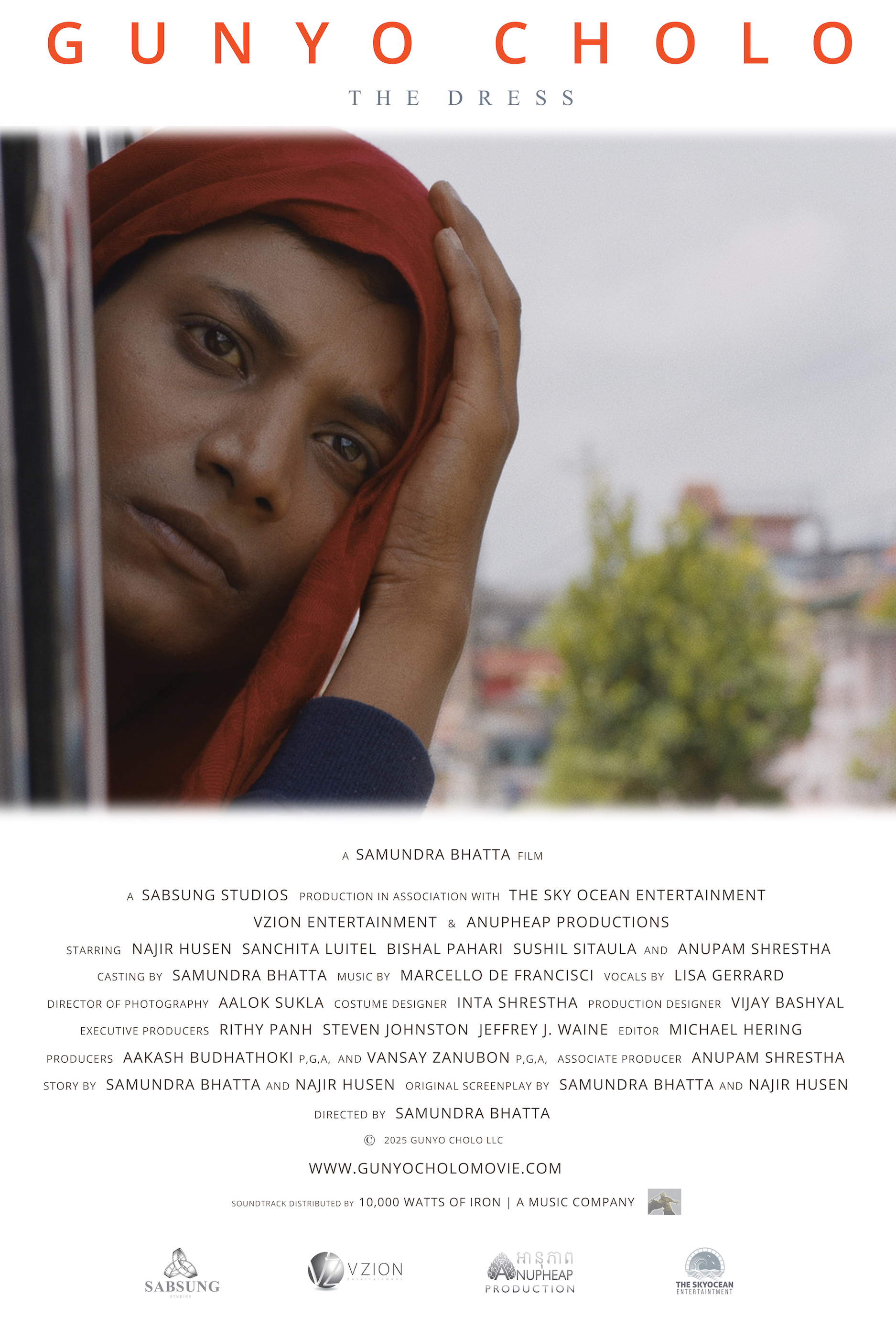
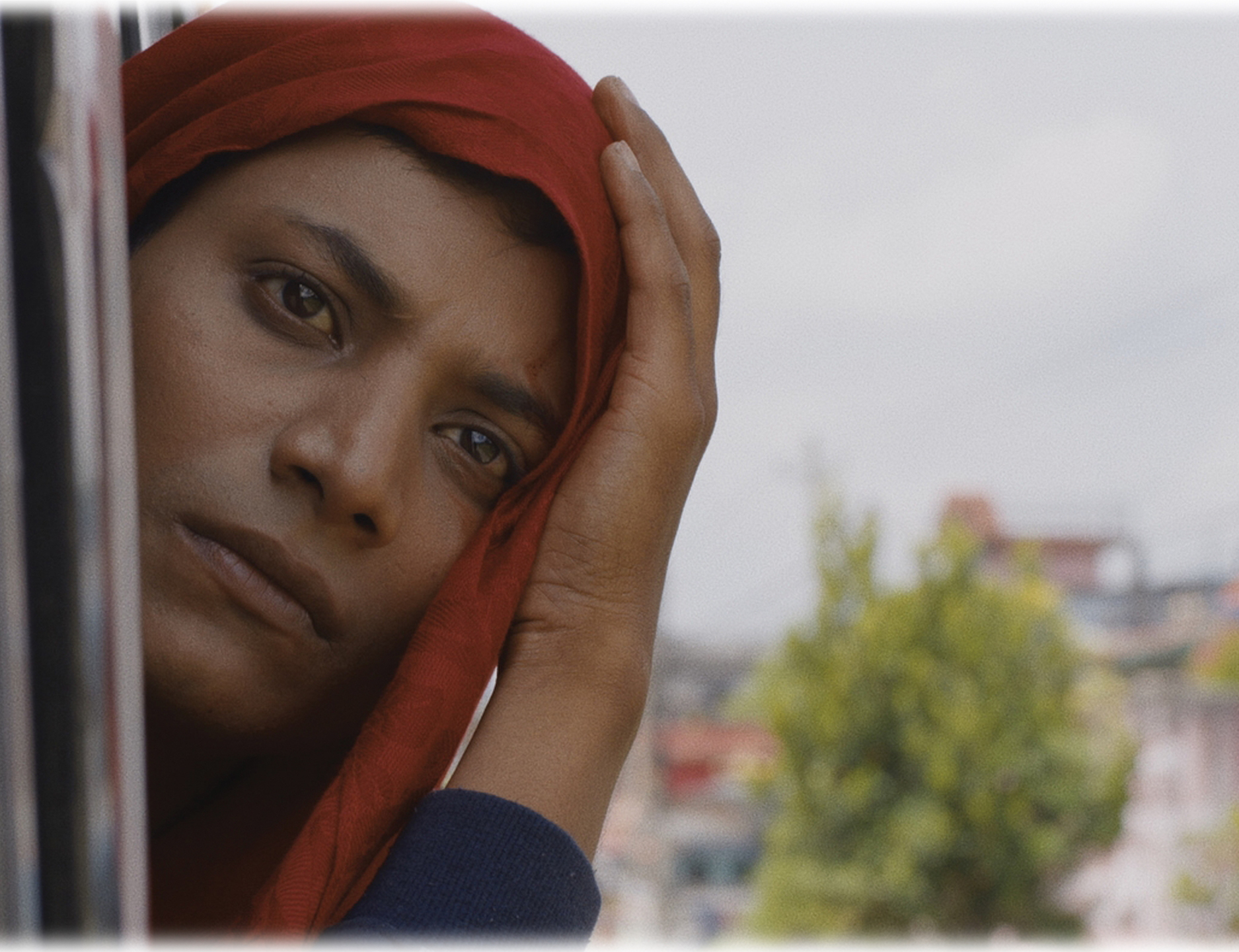
Gunyo Cholo tells the story of Dev (Najir Husen), a transgender girl born as the only son of a domineering father, Kul. She struggles in vain to bridge the deep chasm between societal expectation and her own sense of identity while living under his tyrannical thumb. After an especially unhinged episode of abuse at his hands, Dev escapes to the relative freedom of Kathmandu where she finds a new family and embraces her true self to live as Gulabi. But one oppression is traded for another, as she’s forced to navigate a life of prostitution. Yet despite the urban dangers, the cramped back alleys of Kathmandu somehow feel less oppressive than the vast mountain-scape that surrounds Gulabi’s village.
Themes of conflicted identity extend beyond Gulabi to Kul, who must reconcile his own identity as father to a son he doesn’t understand. A fiery Bishal Pahari portrays the man as an easily triggered brute whose pride is inextricably tied to his son’s future in the military. He threatens murder, brutalizes his wife and children and seems devoid of compassion for his son’s struggles. His eventual evolution feels less like understanding than it does exhaustion. The energy he’s expended clinging to fear and hatred finally takes its toll and he crumbles. It is Gulabi’s persistent resolve in maintaining her authentic self that ultimately wins the day.
The film suffers a bit from a leisurely pace and a conventional aesthetic that suggests budgetary limitations. And its unwieldy title, a reference to the traditional dress worn by Nepali girls coming of age, may prove too obscure for audiences outside Nepal. But for those willing to give it a chance, the film rewards with passionate performances, especially by Najir Husen, and an impactful, cathartic ending.
Nepal itself currently faces a crisis of identity, pink-washing itself as LGBTQ+ friendly to tourists yet failing to provide basic rights and legal protections to its own queer citizens The significance of a film like this emerging from a country like Nepal cannot be overstated. Visibility of marginalized communities through art and media is a powerful tool to exhaust the kind of hate that fuels discrimination. Hopefully Samundra Bhatta’s moving film leads to conversation and change in Nepal and around the world. It reminds us that when humanity becomes subservient to oppressive tradition, be it cultural, religious or just the comforts of old unevolved perspectives, people will suffer.